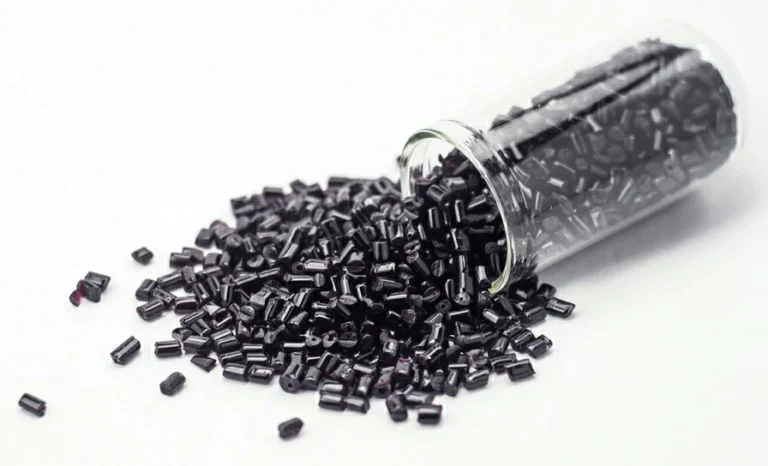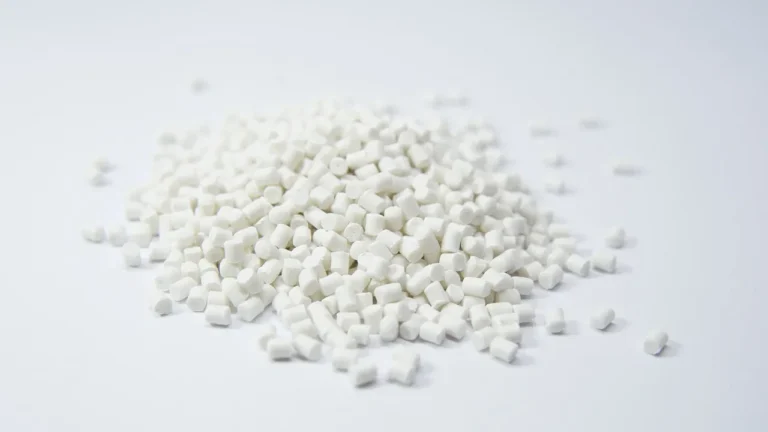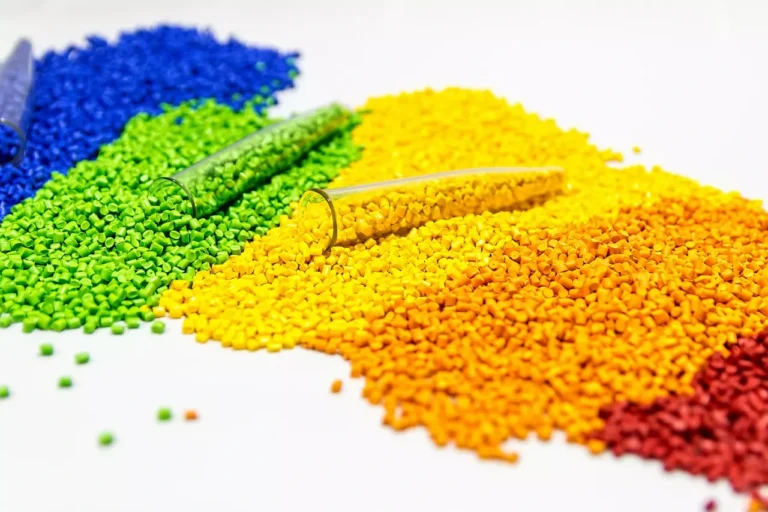
Anti-block Masterbatch is a functional additive composed of a resin carrier and inorganic particles of specific particle size. It prevents adhesion during winding, stacking, and storage of products, enhancing the tear resistance, delaminability, and processing efficiency of films. It is commonly used in plastic films, sheets, and packaging products. Let’s explore antiblock masterbatch. First, understand why film adhesion occurs.
Causes of Anti-block Masterbatch Generation
During processing and storage, films often exhibit adhesion and separation difficulties. What causes this phenomenon?
In the processing of plastic films and sheets, sticking primarily results from the combined effects of material properties and production conditions.
Materials like polyolefin films (PE, PP) exhibit high flexibility and smooth surfaces. When stacked, two layers easily form extensive contact, causing them to adhere tightly during cooling, winding, and stacking.
Films extruded at high temperatures undergo slight shrinkage during rapid cooling. Combined with winding tension, this forces surfaces together, intensifying adhesion. Simultaneously, friction-generated static electricity between films during processing and winding enhances adhesion, making delamination and opening more challenging.
Consequently, plastic films encounter issues like difficult separation and poor opening during storage, transportation, and subsequent packaging operations. Antiblock colour masterbatch addresses this adhesion problem at the surface microstructure level. Let’s explore its working principle.
How Anti-Block Masterbatch Works
By uniformly dispersing inorganic particles of specific particle size within the resin, these particles naturally migrate to the surface layer after film formation, creating a fine, uniform micro-protrusion structure. When two film layers come into contact, these micro-particles create support points that maintain a minute air gap between the films, effectively reducing their actual contact area. Simultaneously, this reduces electrostatic adhesion, enhancing the film’s slip resistance and tearability. Now that we understand how anti-block masterbatch works, what advantages does it offer over standard masterbatch?
Advantages of Anti-block color Masterbatch
Antiblock masterbatch offers significant advantages over conventional masterbatch. Below is a clear comparison:
| Aspect | Conventional Masterbatch | Anti-block Masterbatch |
|---|---|---|
| Opening | Film adheres tightly, difficult to separate | Easy opening, smooth separation |
| Adhesion | Prone to jamming and film sticking during winding | Leaves surface gaps, prevents adhesion |
| Electrostatic resistance | High static charge, films attract each other | Reduced static, smoother operation |
| Transparency/Haze | Prone to process variations, high haze | Controlled haze, more stable transparency |
| Processing stability | Easy jamming during slitting and bag making | Smooth processing, reduced downtime |
| Scrap Rate | High defect rate due to sticking | Stable anti-blocking, significantly reduced scrap |
| Economic Cost | High overall cost | Low overall cost, high quality |
Antiblock color masterbatch effectively prevents film sticking, enhances surface flatness and appearance quality, offers high operational efficiency, and features strong versatility and stability—making it the optimal choice for plastic films. So, what applications does it serve?
Applications of Anti-Block Masterbatch
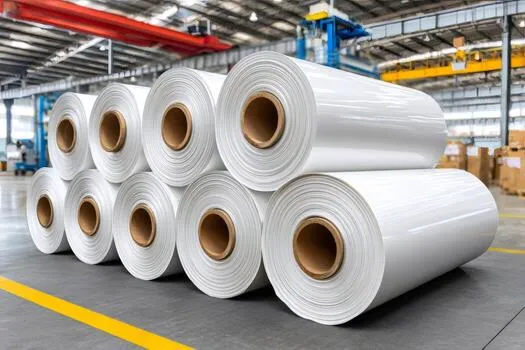
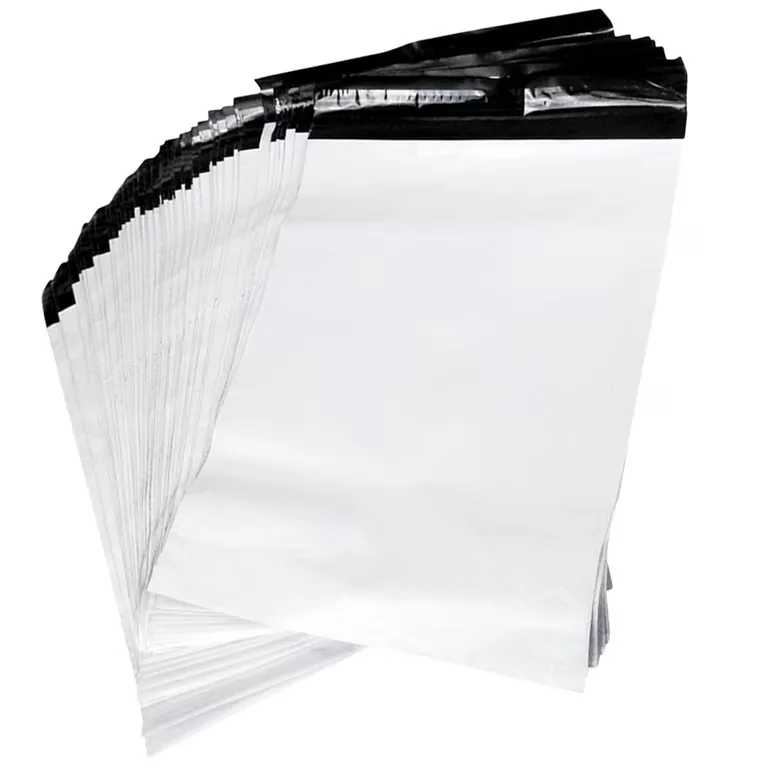
Blown Packaging Films: PE films, continuous roll bags, shopping bags, etc. Improves film tearability for smooth, non-sticking bag removal.
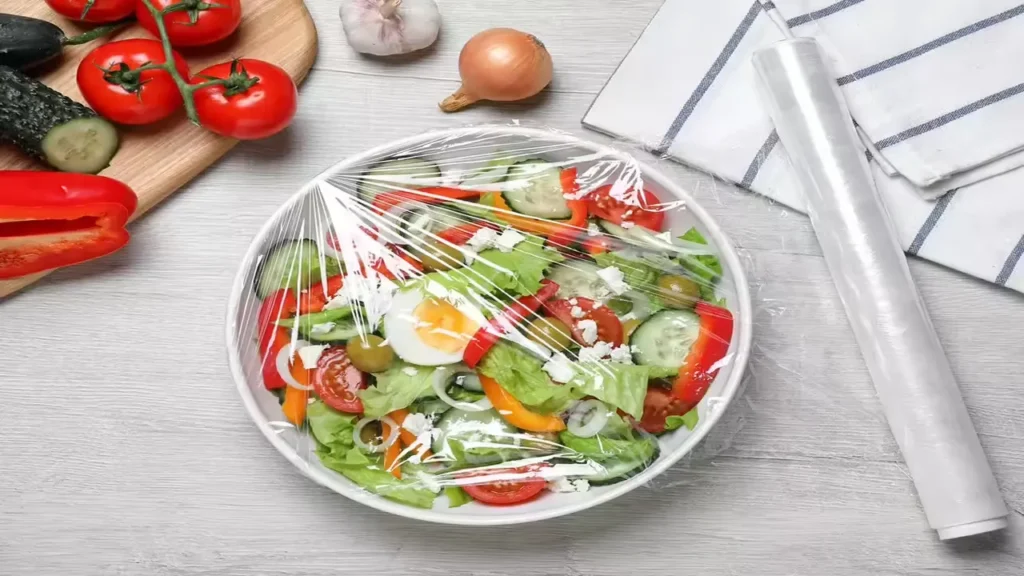
Food Packaging Films & Cling Films: Maintains high transparency and enhances layering effects for more stable bag forming and automated packaging.
Agricultural Films: Mulch films, greenhouse films, etc. Reduce large-area adhesion for easier installation and recovery, preventing sticking in high-temperature environments.
Sheets and Thermoforming Materials: Lowers adhesion forces during sheet stacking, enabling smooth automated sheet separation and retrieval.
Medical films and electronic protective films: Prevents adhesion during roll storage, improving ease of unrolling and application.
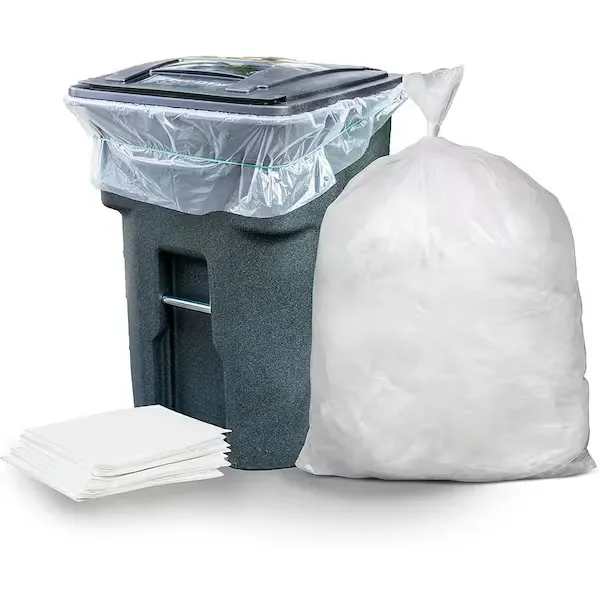 Garbage Bags
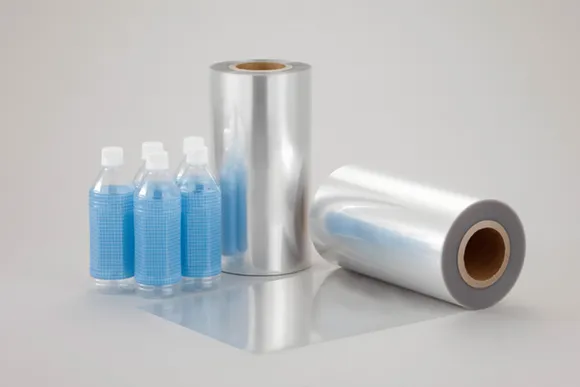 Daily Chemical Packaging Films
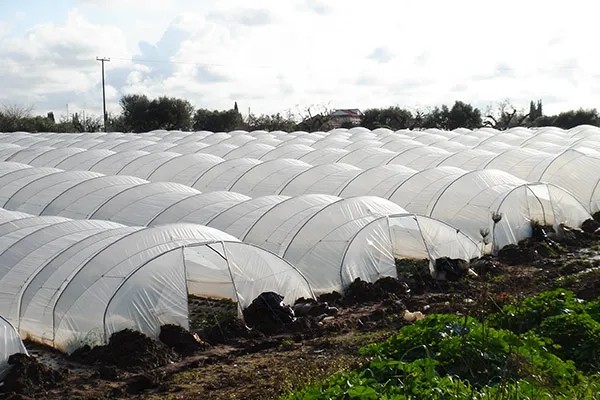 Agricultural Films
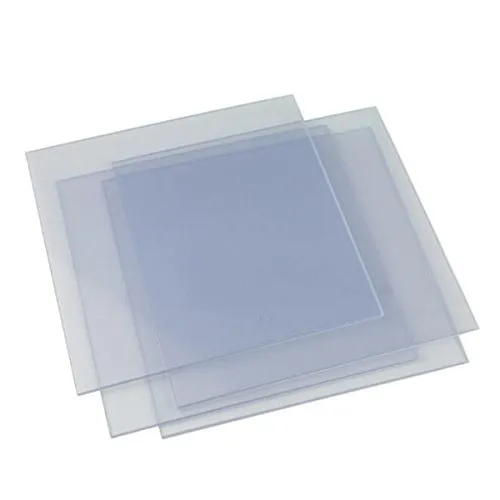 Sheets and Thermoforming Materials
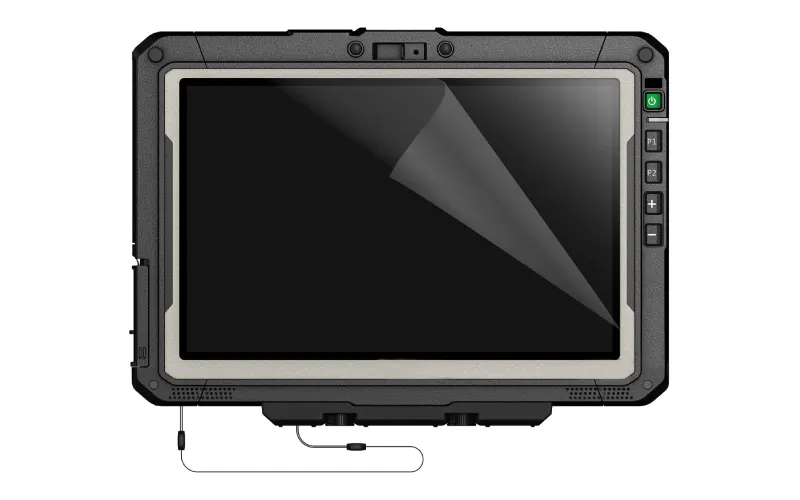 Electronic Protective Films
In summary, antiblock colour masterbatch is applied to films and sheet products requiring enhanced tearability, layering, and processing efficiency, ensuring stable and smooth production and packaging processes. After understanding its working principle, advantages, and application areas, how should we select the appropriate anti-block masterbatch? What factors should be considered when choosing it?
How to choose the right Anti-block Masterbatch
Different processing techniques, material systems, and application scenarios require distinct antiblock colour masterbatches. The following factors serve as procurement guidelines:
- Choose particle size and carrier based on film type: Blown film typically uses small-to-medium particle size formulations to maintain transparency. Sheet applications may opt for larger particle sizes, with carriers matched to the base resin.
- Based on haze and transparency requirements: For packaging films demanding high transparency, choose low-haze antiblock masterbatches to avoid compromising appearance.
- Process and equipment conditions: High-speed film blowing, automated packaging, and slitting equipment demand superior opening properties. Select masterbatches with high processing stability and uniform particle dispersion.
- Particle distribution and dispersion performance: Opt for premium masterbatches free from agglomeration. These disperse uniformly across the film surface, forming micro-raised structures for optimal anti-blocking efficacy.
- Assess safety: For food packaging, select food-grade antiblock master batch compliant with FDA or EU standards to ensure safety and eliminate migration risks.
- Select reliable suppliers: When choosing antiblock masterbatch, require suppliers to provide transparency test data, haze test results, dispersion performance data, etc. Additionally, evaluate the manufacturer’s technical capabilities, quality control, stable supply capacity, and after-sales service to establish long-term, stable cooperation.
Conclusion
Through the above article, we have learned about the working principle and advantages of anti-block color masterbatch, understanding it as an efficient functional masterbatch for solving plastic film adhesion issues. If you require anti-block masterbatch, please contact us. Huashuo is a masterbatch manufacturer with a professional service team that can provide customized solutions based on your production needs.