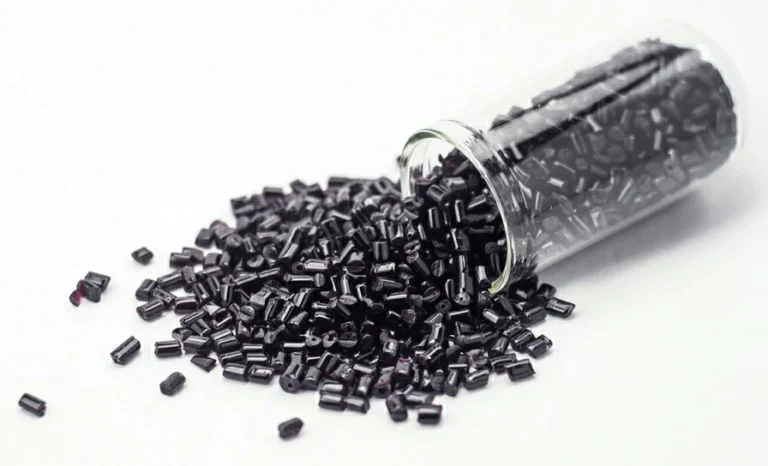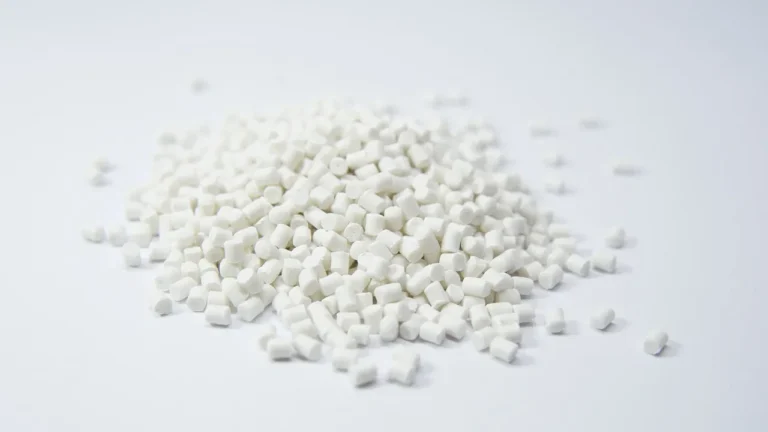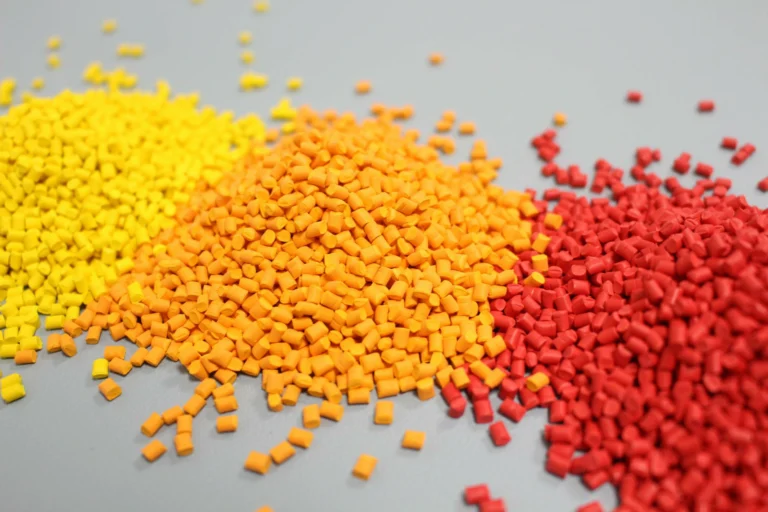
In the plastics processing industry, factors such as color stability, production efficiency, and product quality significantly impact a company’s competitiveness. As aesthetic demands for plastic products continue to rise, many manufacturers have turned to color masterbatches. So why use color masterbatches? Let’s explore the reasons.
Masterbatch offers excellent dispersion, cleanliness, and high stability, making it suitable for processes like injection molding and film blowing. It is currently the most widely used plastic coloring method. Firstly, let’s explore the advantages master batch provides.
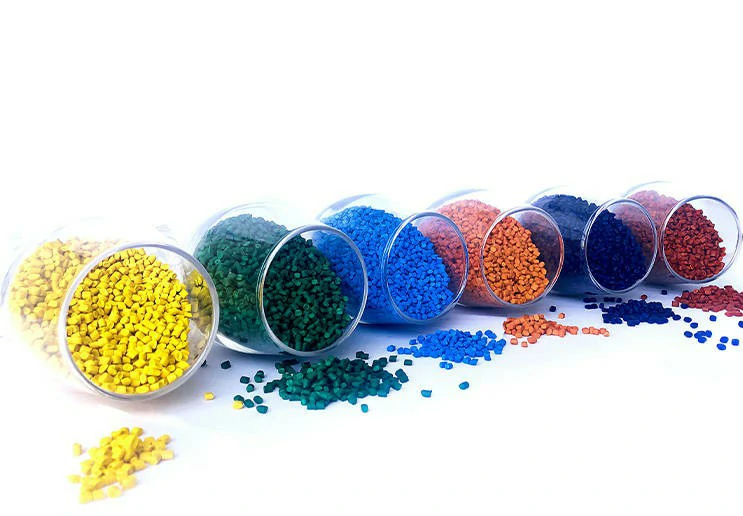
Advantages of Color Masterbatch
Color master batch has become the mainstream coloring method due to its distinct advantages in production processing and quality control, making it suitable for automated and high-standard product manufacturing.
Excellent Dispersibility:Color masterbatches undergo high-temperature melt compounding via twin-screw extruders, uniformly encapsulating pigments within the resin matrix. This ensures thorough dispersion within the plastic substrate, minimizing issues like color spots, color variation, color streaks, and flow marks while reducing scrap rates.
High Color Stability:Pigments are pre-blended in precise ratios and fixed within the carrier resin. This ensures accurate metering during use, enhancing color consistency throughout production. It improves surface quality of finished products, reducing customer complaints and rework.
Improved Processing Performance:Many colour masterbatches contain lubricants and dispersants that enhance flowability during processing. This reduces energy consumption, minimizes melt instability and flow marks, improves surface gloss of finished products, and boosts production efficiency.
Controllable Dosage and Precise Color Matching:Color masterbatch enables automated weighing and batching, reducing human error. Its precise metering ensures controlled usage, eliminating color fluctuations caused by measurement inaccuracies, thereby boosting production efficiency and product quality.
Convenient and Clean Handling:Masterbatch pellets eliminate dust dispersion common with powder pigments. Clean feeding and easy operation prevent equipment contamination and operator inhalation, making it ideal for large-scale continuous production.
Additional Functional Properties:Color master batch can be combined with various functional additives—such as UV stabilizers, antistatic agents, flame retardants, slip agents, and defoamers—integrating coloring with functional benefits. This approach reduces additive costs while enhancing product performance.
Suitable for Multiple Processes:Formulations can be customized for various resins including PE, PP, PET, PC, and ABS, making them suitable for injection molding, film blowing, fiber drawing, extrusion, and other processes.
Lower Overall Costs:While master batch unit prices may exceed powder pigments, reduced scrap rates, lower manual cleanup costs, and enhanced product stability result in lower comprehensive production expenses.
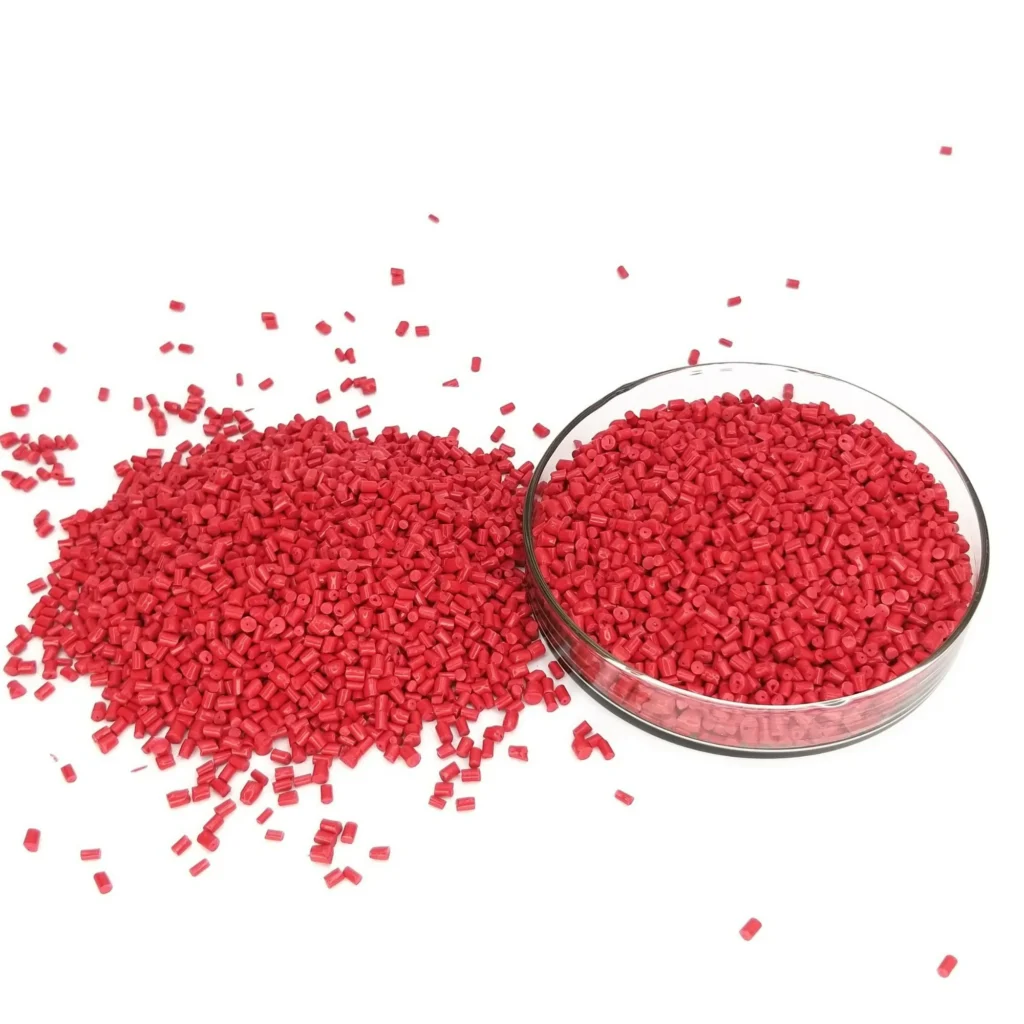 Red Color Masterbatch
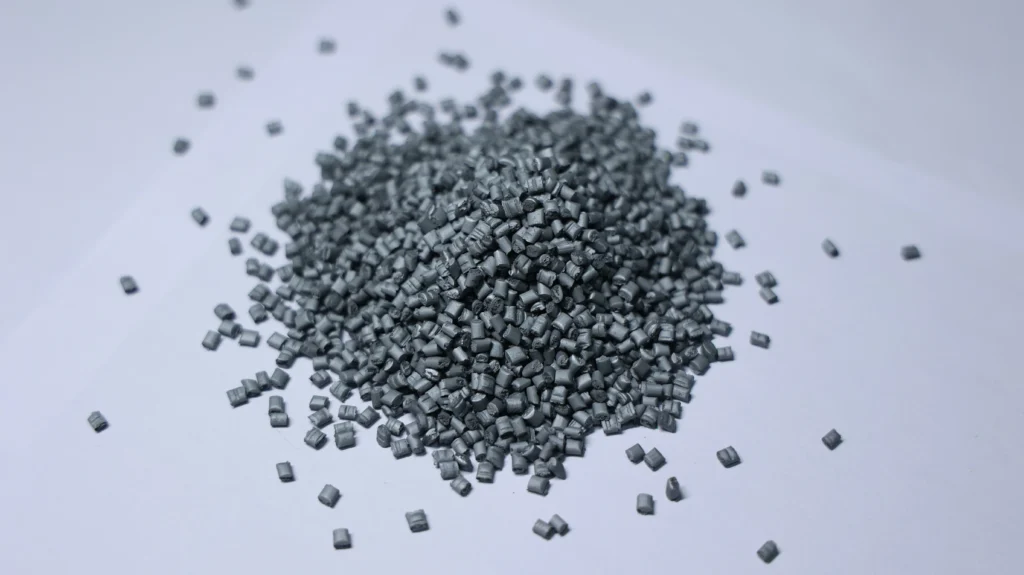 Silver Color Masterbatch
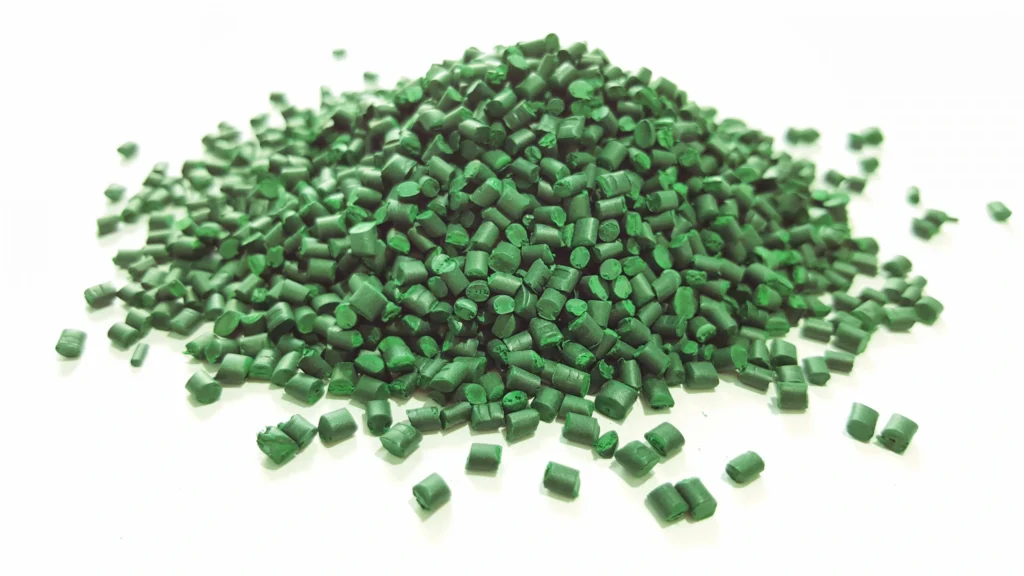 Green Color Masterbatch
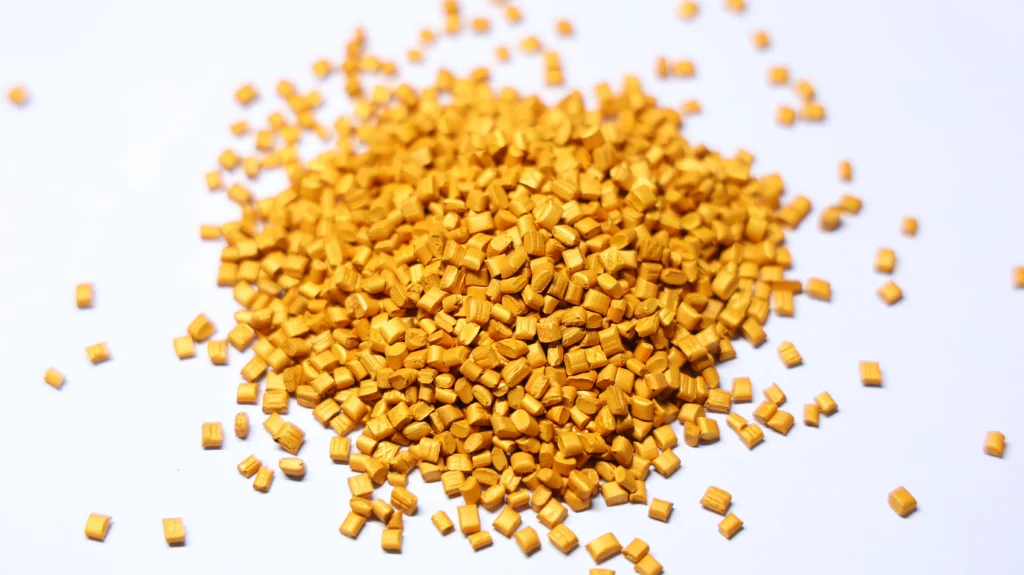 Gold Masterbatch
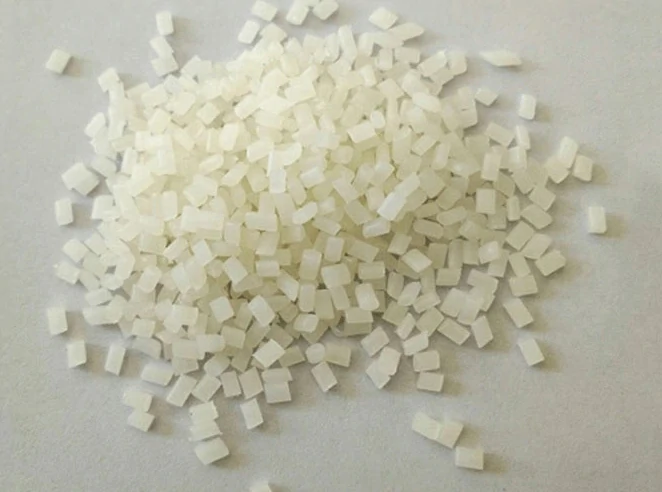 Anti-Static-Masterbatch
Having explored master batch advantages, let’s examine how it differs from powder pigments.
Color Masterbatch vs. Pigment Powder
Compared to traditional pigment powders, color masterbatches offer advantages in performance, environmental friendliness, and other aspects. Below is a brief comparison table of both.
| Comparison Item | Color Master batch | Pigment Powder |
|---|---|---|
| Dispersion | Even dispersion, minimal color variation | Poor dispersion, prone to agglomeration causing color spots/streaks |
| Cleanliness | Dust-free, maintains workshop cleanliness | High dust generation, easily contaminates equipment |
| Dosing Accuracy | Precise pellet measurement, suitable for automation | Significant powder measurement errors, prone to mistakes |
| Operational | Complexity Simple feeding, environmentally safe | Complex operation, requires skilled workers to control ratios |
| Production Stability | Consistent color batch-to-batch | High variability, significant batch-to-batch differences |
| Cost Structure | Higher unit price, lower overall cost | Lower unit price, higher overall cost |
| Application Requirements | Suitable for high-end applications like injection molding, film blowing, optics, food packaging | Suitable for basic products with low color requirements |
Compared to color powders, masterbatches offer advantages in dispersion, cleanliness, and color batch stability, making them a superior choice for plastic product coloring. Below, we examine the plastic industry’s perspective on color masterbatches.
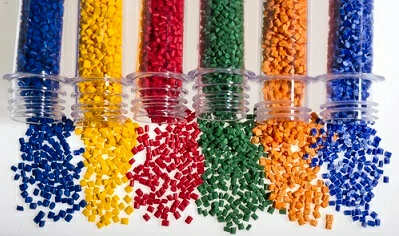 Color Masterbatch
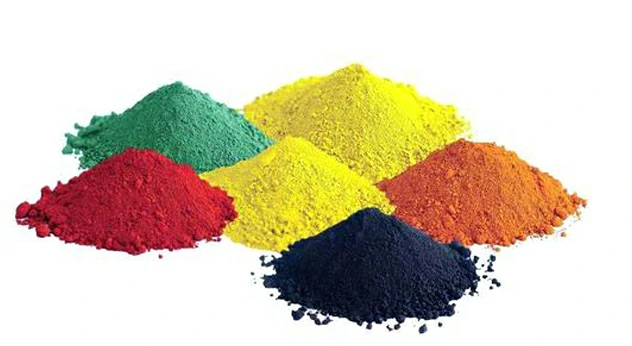 Pigment Powder
Increased Industry Demand for Color Masterbatches
As plastic products evolve toward higher quality and stability, an increasing number of plastic industries require color masterbatch to meet process demands:
Injection Molding: High standards for color consistency and appearance. Masterbatches provide stable color control, suitable for electronic appliance housings, automotive interiors, household goods, etc.
Film Blowing & Extrusion Industry: Thin film thickness and high production speeds make powder pigments prone to color spots, film breakage, and poor dispersion. Color masterbatches achieve more uniform coloring.
PET/PC Transparent Products (Optical Grade): Transparent materials demand extremely low impurities and excellent dispersion. Masterbatches meet light transmittance requirements without introducing particulate impurities or compromising optical performance.
Medical & Food Packaging Industry (Hygienic Packaging): Powder pigments cause dust contamination, failing cleanroom requirements. Master batches encapsulate pigments, easily complying with FDA, RoHS, and other regulations.
High-Temperature Engineering Plastics (PA, PC, PBT, ABS): High processing temperatures compromise powder pigment stability. Specialized masterbatches ensure excellent heat resistance and consistent color.
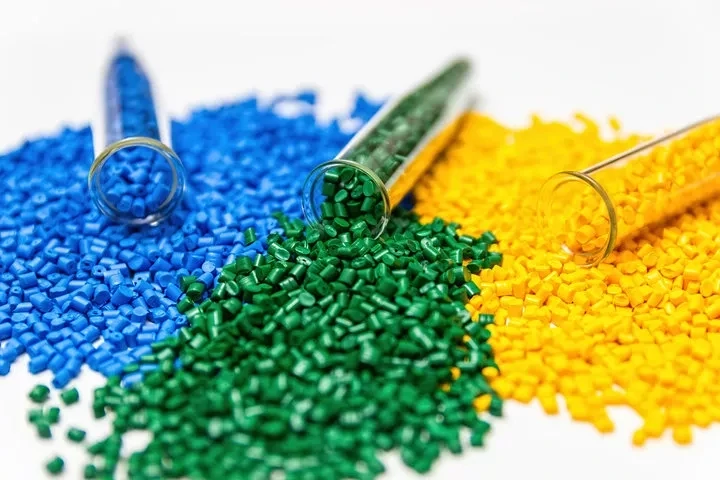 Color-Masterbatch-In-Injection-Molding
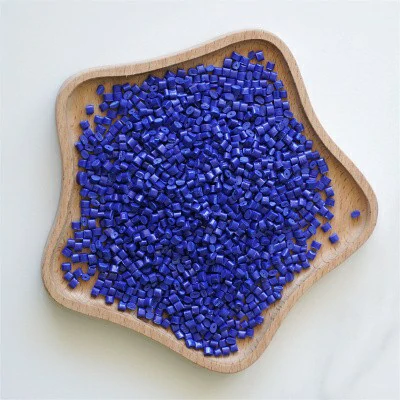 UV-Resistant PC Masterbatch
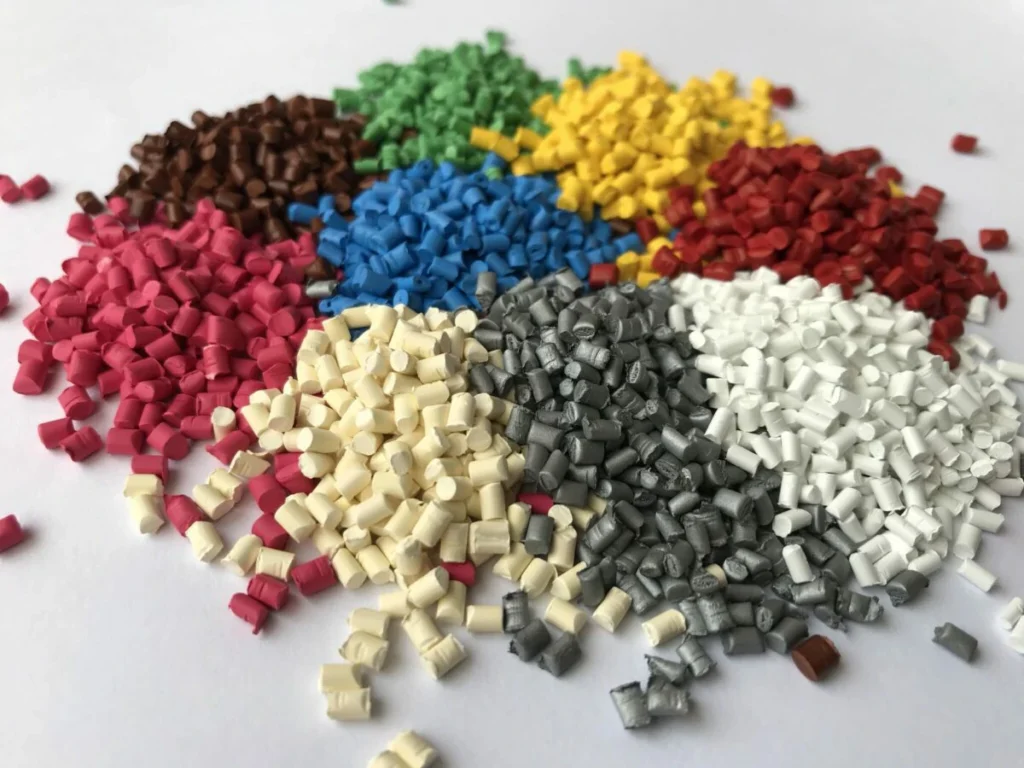 Color Masterbatch Medical & Food Packaging Industry
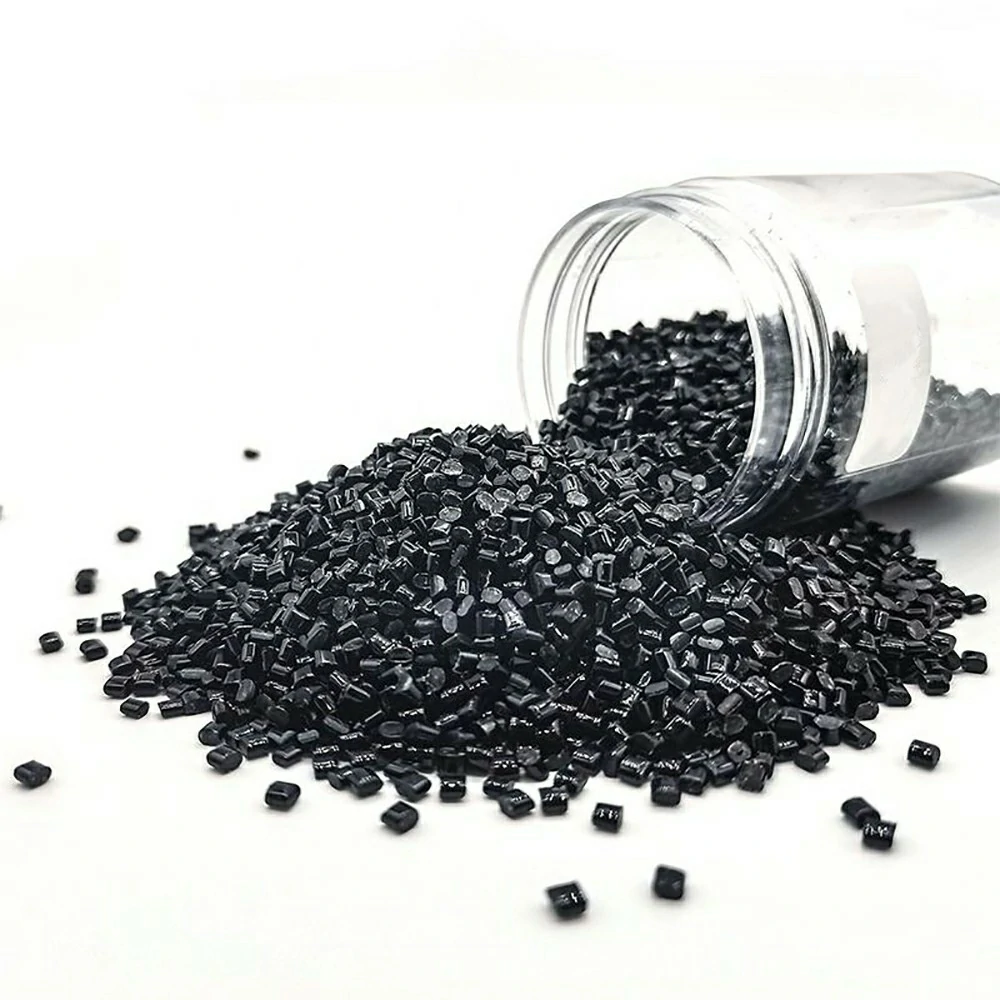 Black Masterbatch
For many plastics industries, colour masterbatches represent the optimal coloring solution. Let’s explore the cost efficiencies they deliver to businesses.
Cost-Effectiveness of Using Color Masterbatches
Color masterbatches not only enhance product quality but also significantly reduce production costs, serving as a key strategy for businesses to boost competitiveness.
- Reduced Scrap Rates and Improved Yield: Color differences, color spots, and poor dispersion often lead to high scrap rates. Using color master batch improves batch consistency, boosts overall yield, and reduces energy consumption.
- Minimized Equipment Cleaning and Downtime: Powder pigments easily adhere to equipment surfaces, requiring time-consuming and labor-intensive cleaning. Master batch significantly reduces cleaning frequency, saving both time and labor costs.
- Improve raw material utilization and reduce waste: Powder pigment dispersion causes losses, whereas masterbatch enables 100% utilization, conserving usage and lowering material costs.
- Reduce labor costs and operational risks: Suitable for automated workshops, it reduces reliance on skilled workers while being safe and environmentally friendly, minimizing dust hazards to human health and the environment.
Conclusion
Through this article, we have learned why use color masterbatch. Having the advantages outlined above, they represent a reliable, economical, and stable coloring method in modern plastic processing—the optimal choice for plastic manufacturers seeking to enhance product quality and production efficiency.
If you require color masterbatches, please contact us. Huashuo is a masterbatch manufacturer with a professional service team that can provide customized solutions tailored to your production needs.