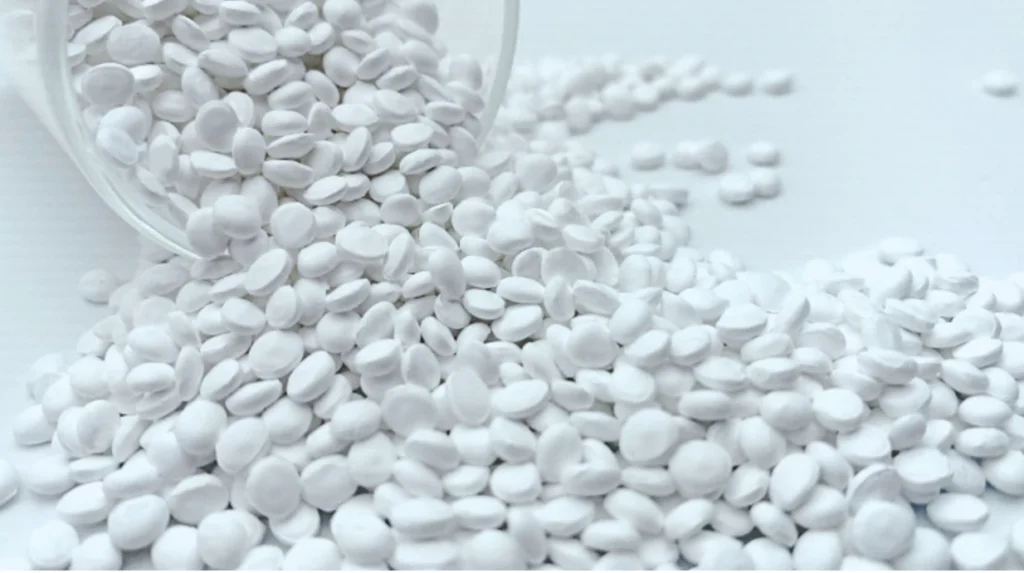
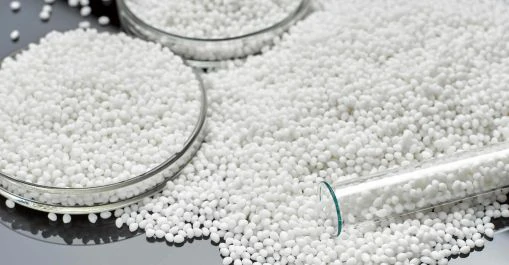
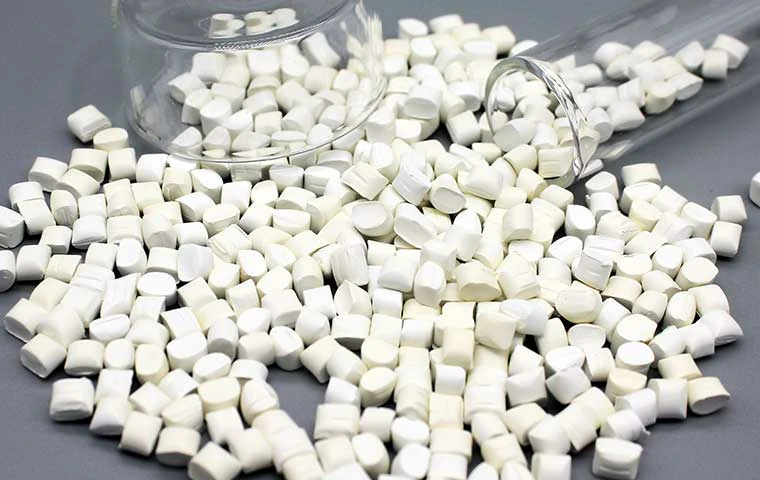
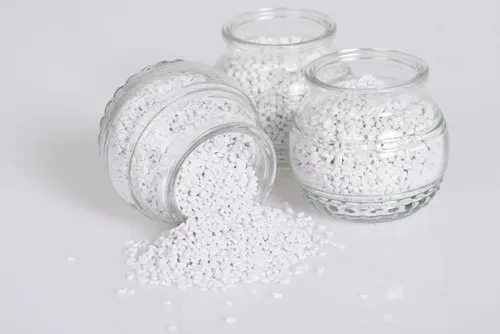
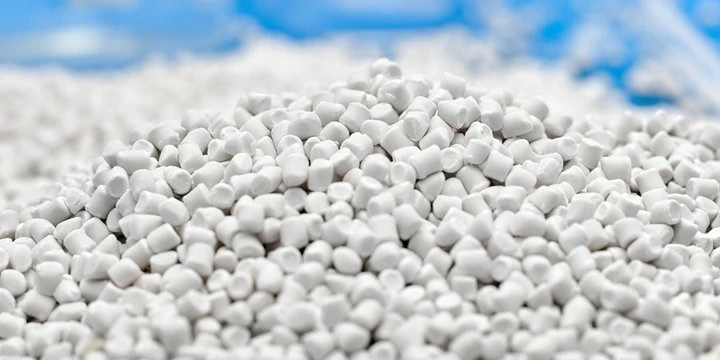
High-quality white mastebatches are high-performance white concentrate pellets manufactured through compounding processes. They utilize high-purity rutile titanium dioxide (TiO₂) as the primary pigment, combined with carrier resins matched to the substrate and efficient additives. Characterized by high whiteness, bright gloss, and strong hiding power, it finds extensive application in the plastics manufacturing sector. Below, we explore how to select a high-quality white colour masterbatch.
Key Quality Parameters for Choosing High Quality White Masterbatches
Selecting high-quality white masterbatches requires attention to the masterbatch’s inherent parameters and performance. The following aspects warrant consideration:
Type and Content
- Rutile TiO₂: Offers superior covering power and yellowing resistance, making it the premier choice for high-quality masterbatches.
- Anatase TiO₂: Provides high brightness but exhibits weaker weather resistance, suitable for low-end or indoor applications.
- TiO₂ content typically ranges from 30% to 70%, with specific usage determined by balancing colour transparency and particle size control.
Dispersion
- Twin-screw extrusion and high-shear compounding provide robust mechanical shear forces and uniform melt flow, facilitating rapid TiO₂ depolymerization and particle size reduction within the resin.
- Selecting appropriate additives reduces interfacial tension between pigment and matrix, enhancing wetting and preventing agglomeration to improve dispersion efficiency.
- Uniform dispersion effectively prevents cosmetic defects such as colour spots, streaks, localized greying, and surface roughness.
Carrier Resin Compatibility
- The carrier must be compatible with the substrate; otherwise, issues such as reduced flowability, surface dullness, brittle products, or poor dispersion may arise, affecting final gloss and colour.
- PE Carrier: Suitable for processes including film blowing, blow moulding of bottles, and sheet extrusion.
- PP Carrier: Employed for rigid products, including injection-moulded parts, daily necessities, and storage items.
- ABS/PS Carrier: Suited for electrical appliance housings, toys, and similar products.
- PET/PC Carrier: Utilized in engineering plastics and high-temperature processing environments.
Heat Resistance and Yellowing Resistance
- Maintains resistance to yellowing, darkening, and decomposition during high-temperature processing, suitable for PET, PC, PA, and other high-temperature materials.
- Insufficient heat resistance in masterbatch often causes yellowing and notching at weld lines, edges, and gate locations in products.
- Premium white masterbatches employ higher-grade heat-resistant additive systems to enhance long-term brightness and whiteness stability in products.
Melt Flow Index Compatibility
- The MFI of masterbatch white must match the base material; otherwise, processing difficulties, surface roughness, reduced brightness, and poor flow may occur.
- Film Blowing Process: Opt for low MFI masterbatch to preserve film tensile properties.
- Injection Moulded Parts: Select medium-to-high MFI masterbatch for rapid mould filling.
- PET Sheet/Extrusion: Requires specialized high-temperature-resistant masterbatch systems with matched MFI.
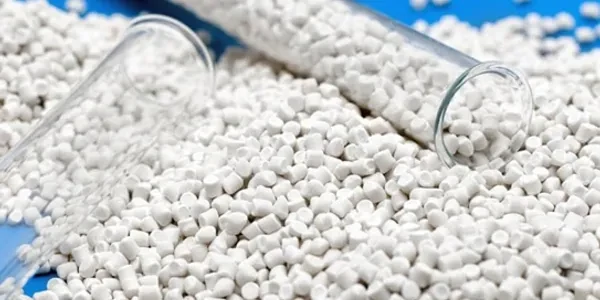
The above five points outline key parameters for selecting high-quality white masterbatches from the material itself. Below, we explore additional perspectives on white color masterbatch selection.
Key Considerations for Selecting White Masterbatch
In practical procurement, selecting high-quality white master batch hinges not only on the product itself but also on factors such as masterbatch type and supplier.
White Masterbatches Type
- For films and thin-walled products, opt for high-opacity formulations that maintain excellent coverage at low addition rates.
- Food-grade white masterbatch is essential for items like straws and food packaging to ensure safety compliance.
- High-temperature resistant types are suitable for engineering plastics and electronic components undergoing high-heat processing, enhancing service life.
- Products incorporating recycled materials require recycled-specific formulations to improve whiteness and visual stability effectively.
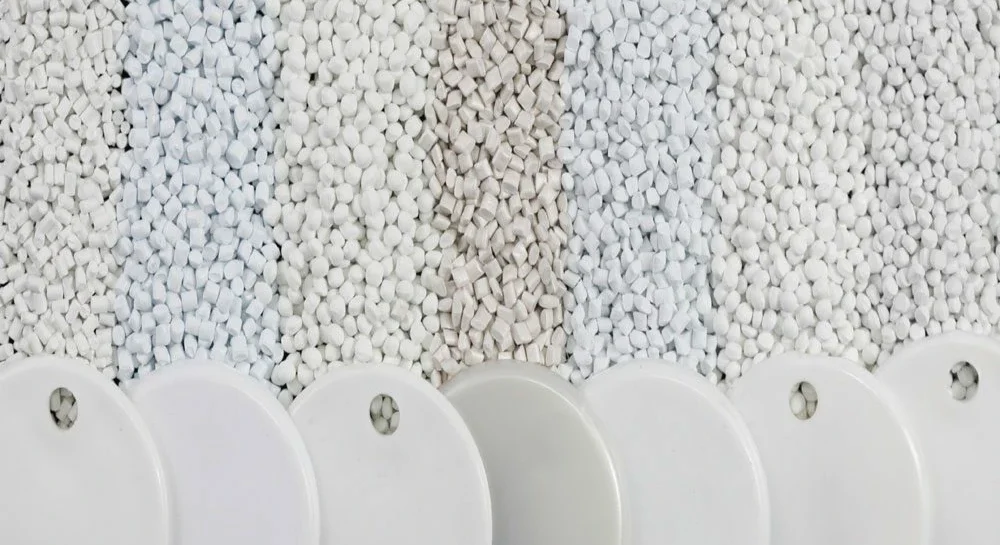
When selecting white masterbatches, ensure the type precisely matches the intended application.
Selecting a Qualified White Masterbatch Manufacturer
A reputable manufacturer should possess stable supply channels for titanium dioxide (TiO₂), alongside advanced equipment such as twin-screw extruders and automated metering systems. They must also maintain comprehensive testing capabilities covering critical metrics like whiteness, heat resistance, and dispersibility, while providing regulatory compliance documentation, including FDA, EU, RoHS, and REACH certifications. Specialized suppliers can further tailor solutions—including carrier selection, melt flow index, and concentration—to specific plastic systems, ensuring enterprises obtain the correct, high-quality white masterbatches.
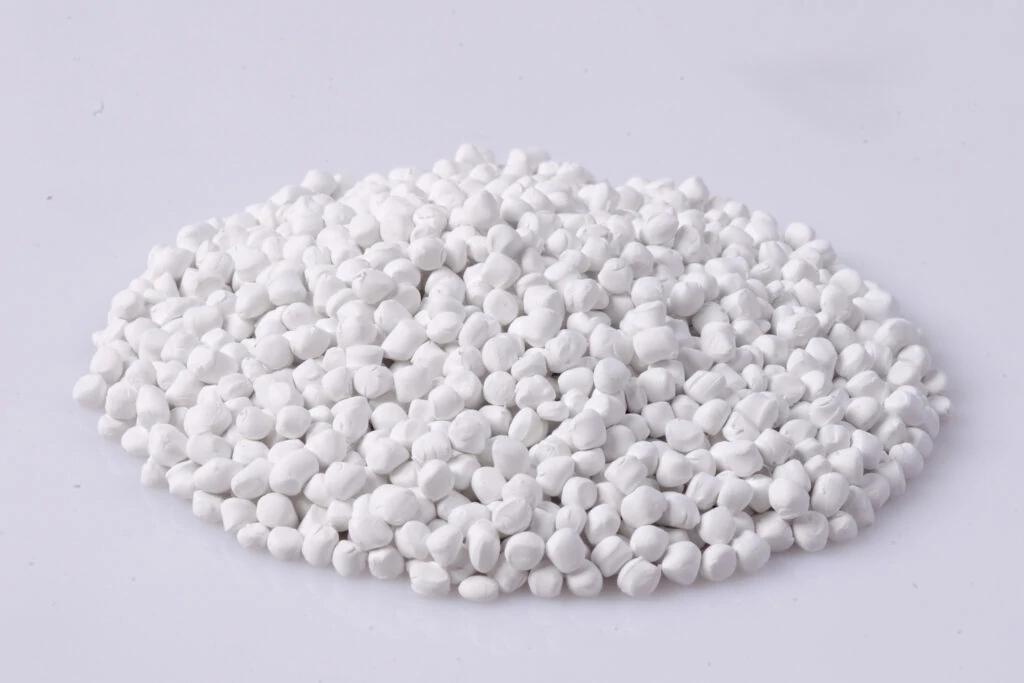 White Masterbatches Manufactuer
Choosing the appropriate white masterbatch type and supplier reduces costs, prevents numerous issues, enhances product quality, and boosts corporate competitiveness. Below, we analyze selection requirements across different industries.
White Masterbatches Selection Guide for Diverse Plastics Industries
Different industries have varying requirements for white masterbatches. Below is a brief overview of three dimensions: demand characteristics, recommended types, and typical products.
| Food-grade white masterbatch and high-brightness formula | Key Requirements | Recommended Type | Typical Products |
|---|---|---|---|
| Film Blowing | Strong opacity, stable stretching properties and no gels or streaks | High-frequency film blowing PE carrier and High Rutile TiO₂ formulation | Shopping bags, food packaging film, PE film, agricultural film |
| Injection Molding | High brightness, non-yellowing, good dispersion, no impact on mechanical properties | Injection moulding grade masterbatch with PP/ABS/PS carrier | Household items, electrical accessories, toys, daily-use products |
| Pipe & Sheet Extrusion | Strong weather resistance, smooth surface, uniform coverage | Anti-aging white masterbatch and extrusion grade MFI-matched system | PPR pipes, PVC pipes, sheets, packaging sheets |
| Blow Molding Bottles | High gloss, odorless, food-contact safe | Food-grade white masterbatch and high brightness formula | Cosmetic bottles, personal care bottles, food packaging bottles |
| Recycled Plastics | Cover base color, improve whiteness and appearance, reduce specks | Recycled-grade high opacity and high dispersion system | Recycled PP/PE products, low-cost packaging materials |
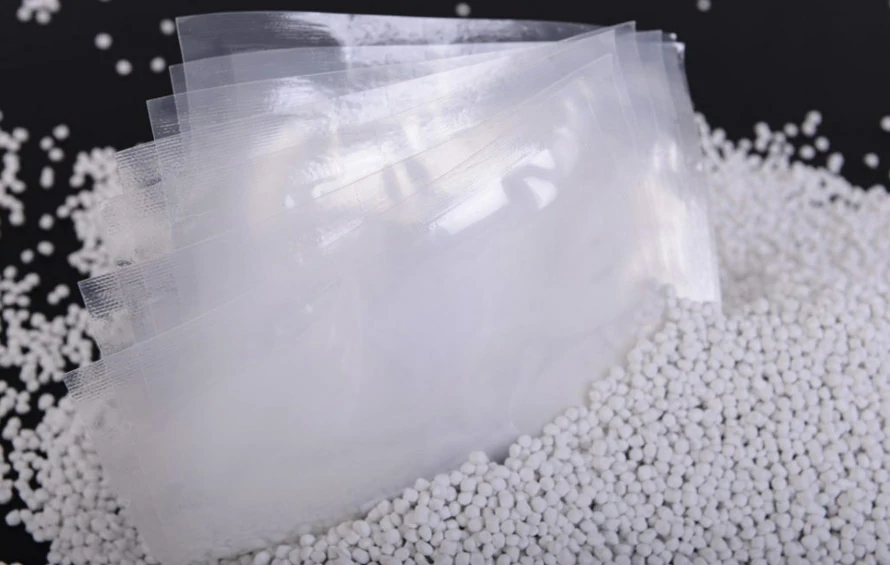 Film Blowing
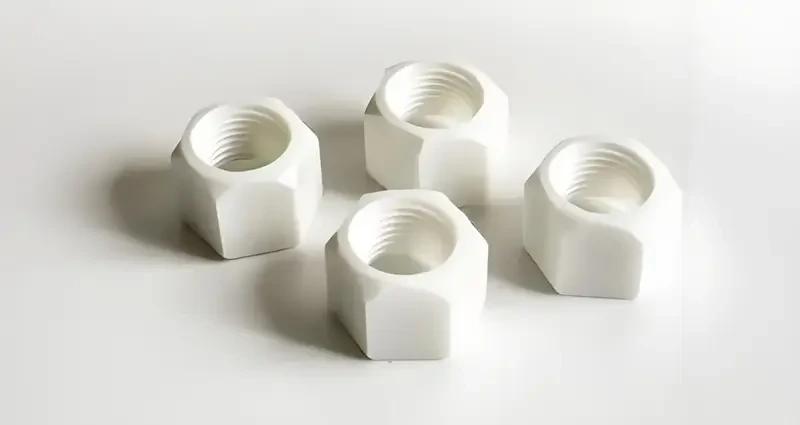 Injection Molding
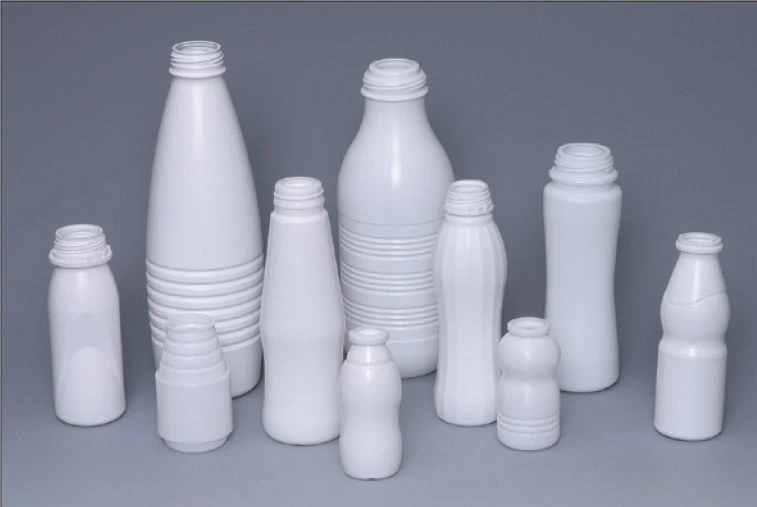 Blow Moulding Bottles
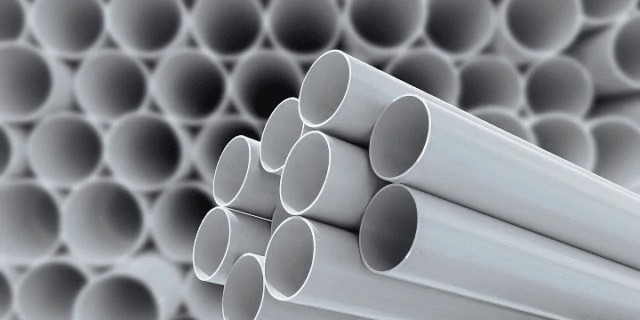 Pipe Extrusion
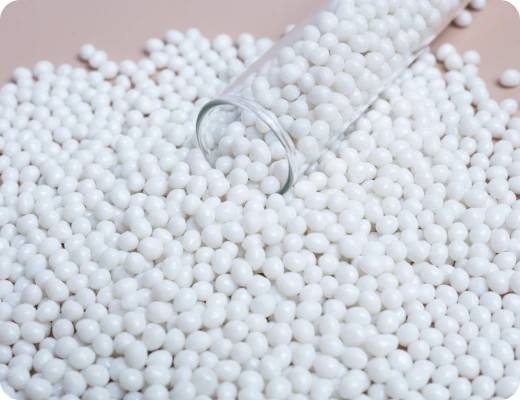 Recycled Plastics Masterbatch
Different industries have distinct requirements for white colour masterbatch. Selecting suitable, high-quality masterbatch involves careful consideration to meet customer needs and enhance market competitiveness.
Conclusion
Through the above discussion, we understand that selecting high-quality white masterbatch requires consideration not only of the masterbatch itself but also of the supplier. Should you require premium white masterbatches or bespoke solutions, please contact us. Huashuo, as a specialist masterbatch manufacturer, will provide the most suitable solution for your needs.