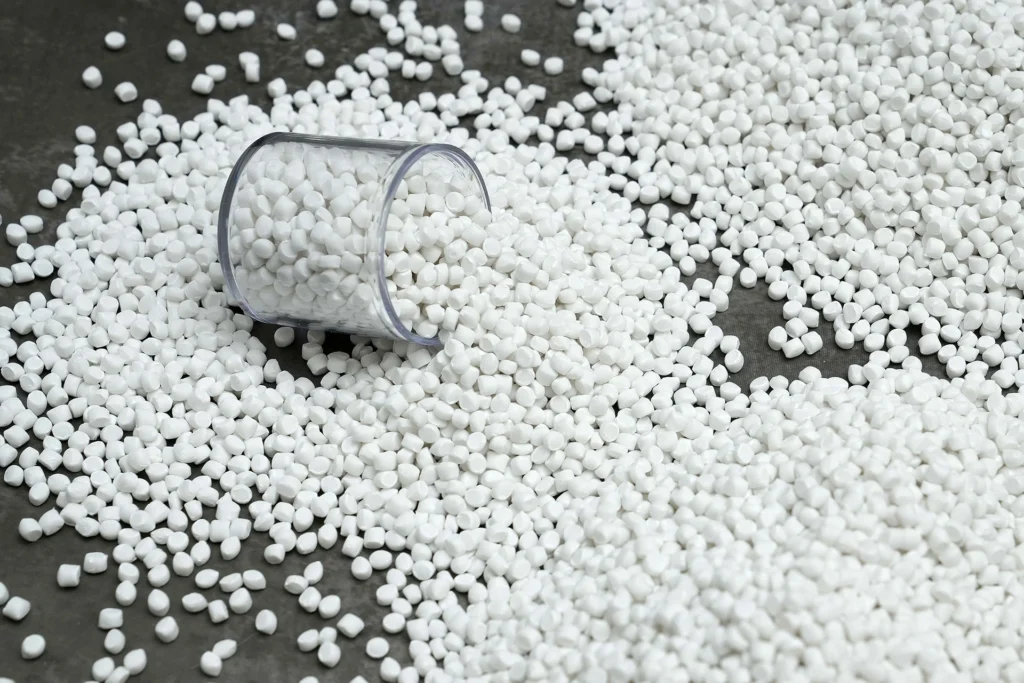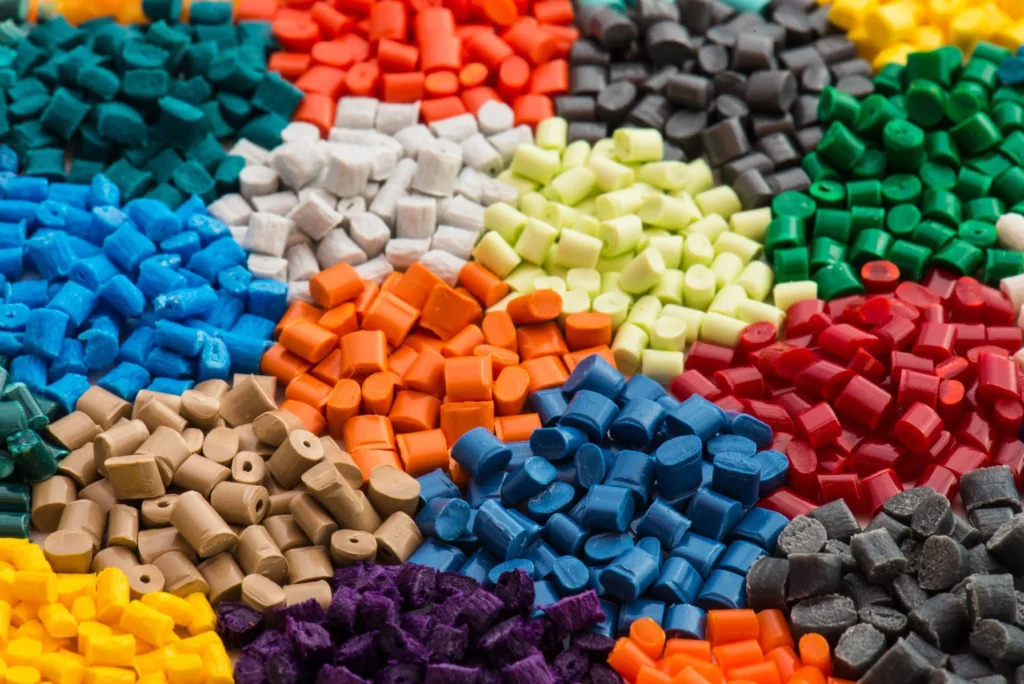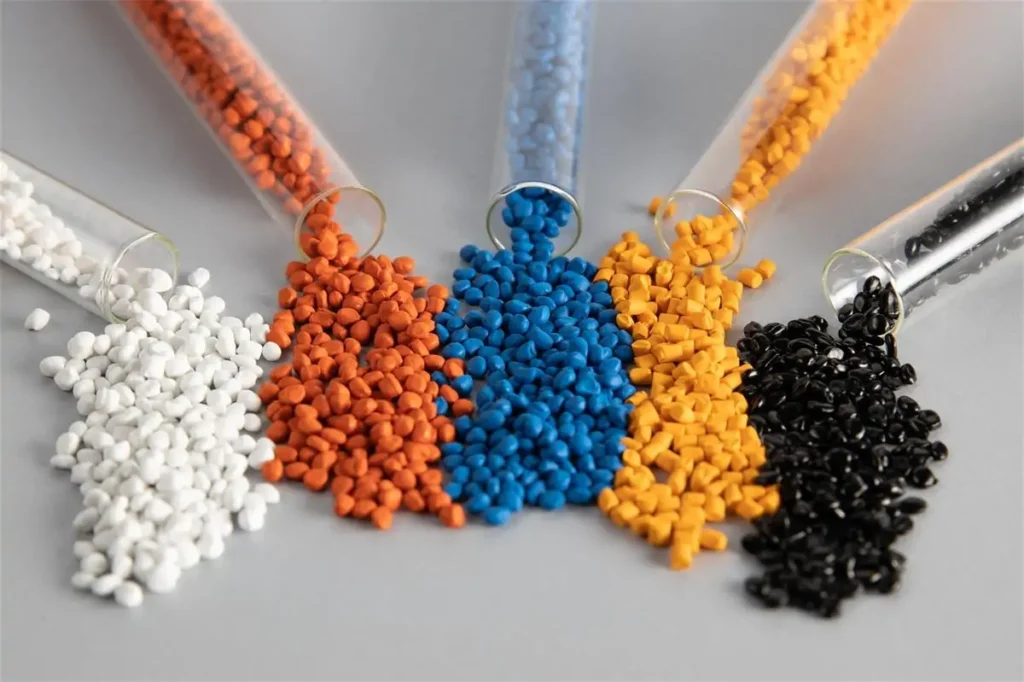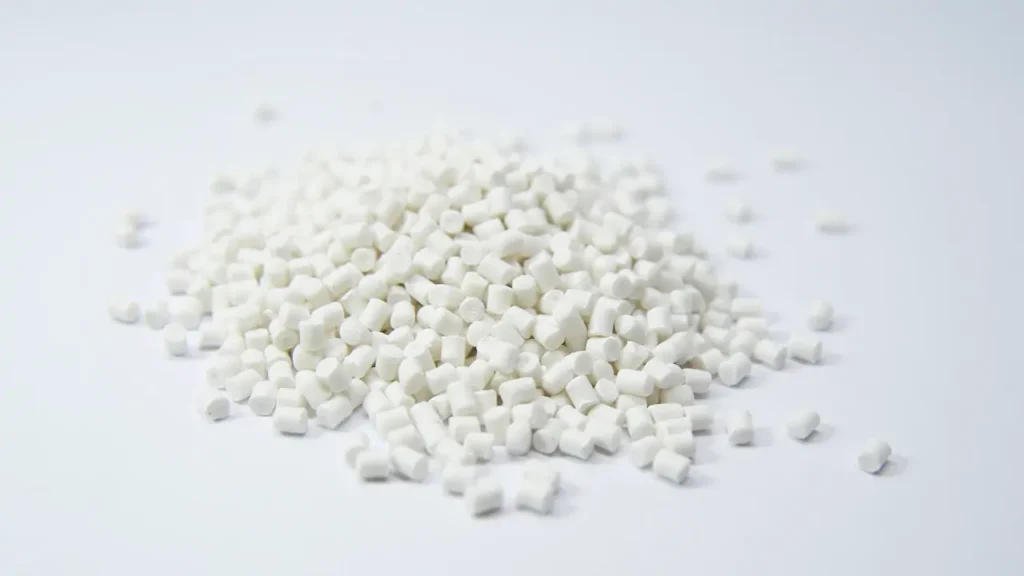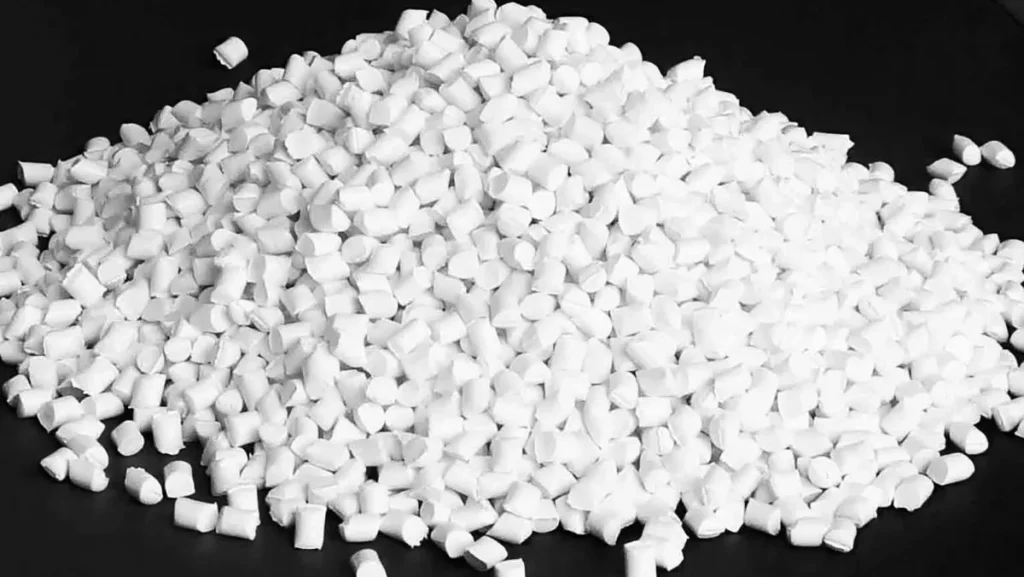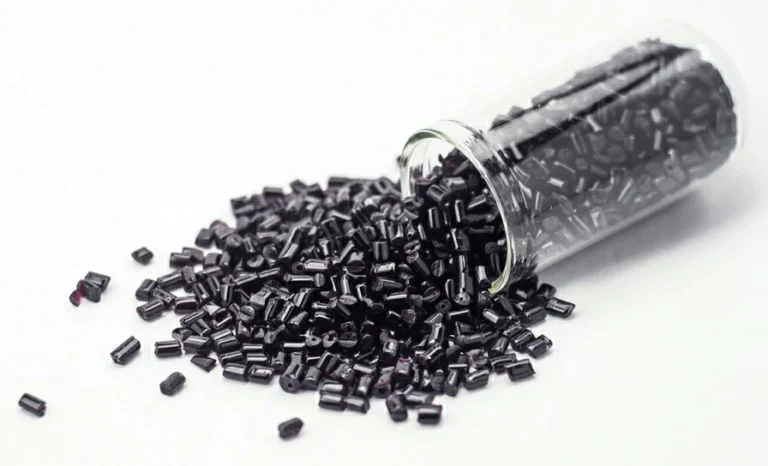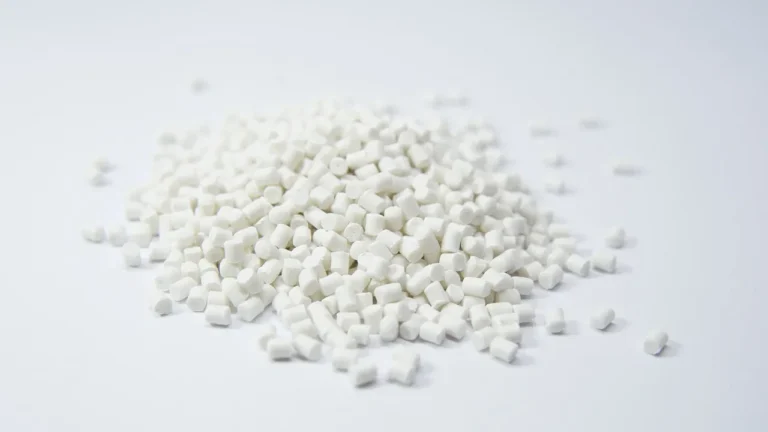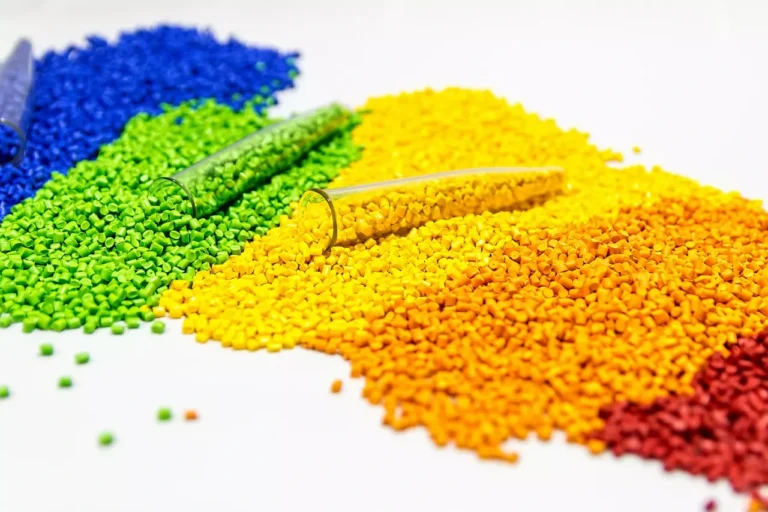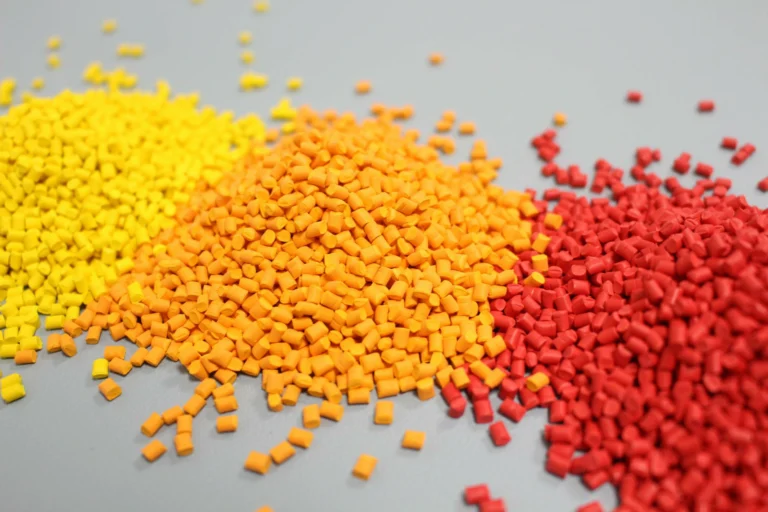
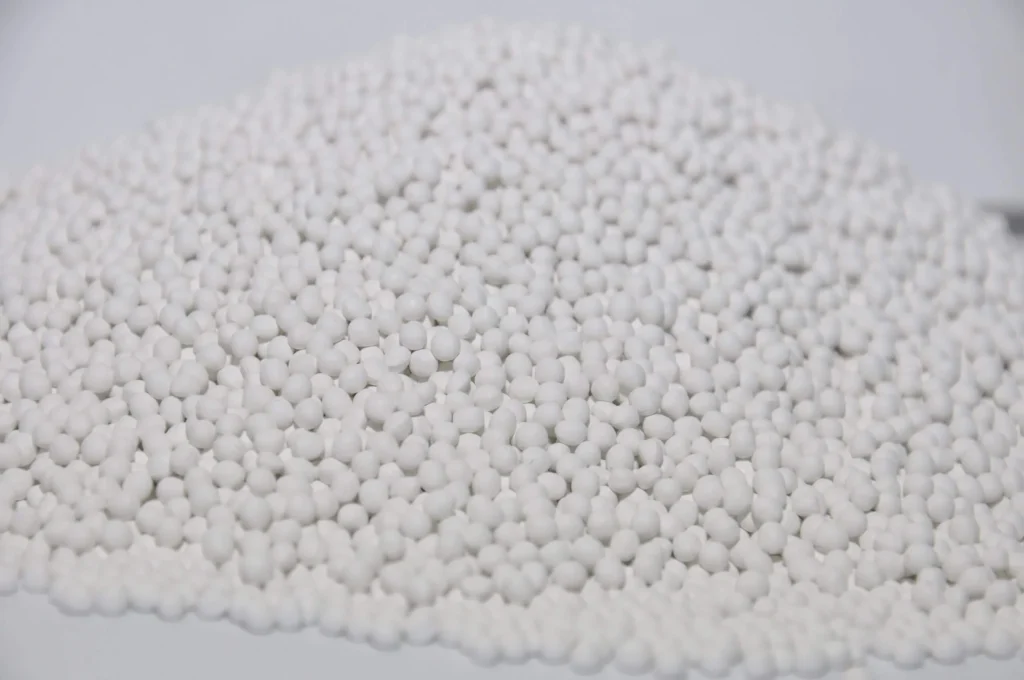
White masterbatch is a concentrated plastic colour pellet widely used in films, injection-moulded parts, sheets, and other applications. Titanium dioxide (TiO₂) serves as the primary component of white color masterbatch, influencing its whiteness, brightness, and hiding power. Today, we explore TiO₂ and delve into its effects on the white master batch. Let’s take a closer look.
What is Titanium Dioxide?
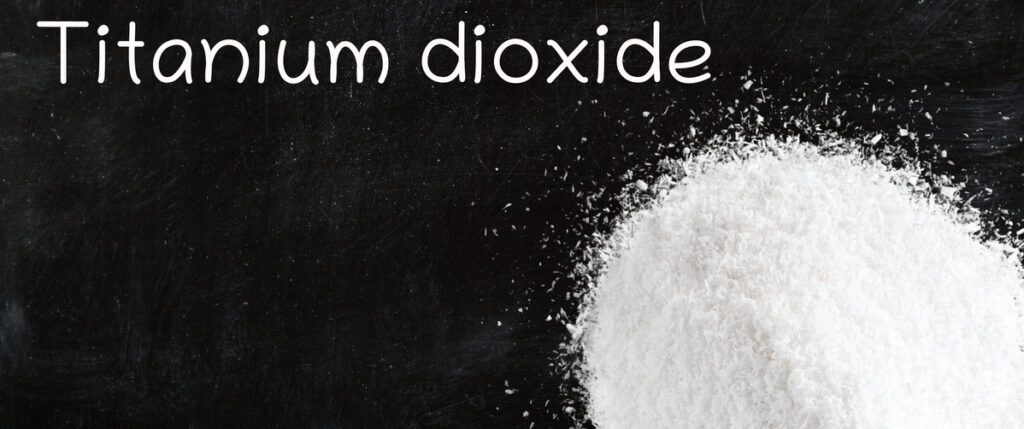
Titanium dioxide, abbreviated as TiO₂, is a stable white inorganic pigment characterized by high refractive index and strong hiding power. Chemically stable, non-toxic, and highly safe, it finds extensive applications in plastics, coatings, inks, and the rubber industries. It also serves as the primary raw material for manufacturing white colour masterbatch.
TiO₂ white masterbatch provides plastic products with high brightness, high whiteness, and stable opacity while enhancing weather resistance and heat resistance, thereby extending product lifespan. Both China white plastic masterbatch and high-end masterbatches used in overseas markets primarily consist of titanium dioxide. So, what are the different types of titanium dioxide? Let’s explore them together.
What are the main types of titanium dioxide?
Titanium dioxide is primarily categorised into rutile-type and anatase-type, each producing distinct effects. Below are their key differences:
| Disposable products, food packaging, and products with low yellowing requirements | Rutile TiO₂ | Anatase TiO₂ |
|---|---|---|
| Crystal Structure | Stable and dense | Relatively loose |
| Refractive Index | High | Medium |
| Hiding Power (Opacity) | High, suitable for industrial applications | Medium, slightly lower |
| Whiteness Performance | Soft and stable whiteness | High brightness and high whiteness |
| Yellowing Resistance | Excellent | Relatively weak |
| Weather Resistance | Excellent, suitable for outdoor and engineering plastics | Limited, mainly for indoor applications |
| Thermal Stability | High | Medium |
| Dispersion Performance | Moderate | Good |
| Typical Applications | Films, injection molding, weather-resistant masterbatch, engineering plastics | Disposable products, food packaging, products with low yellowing requirements |
| Cost Level | Higher | Disposable products, food packaging, and products with low yellowing requirements |
 Rutile TiO₂
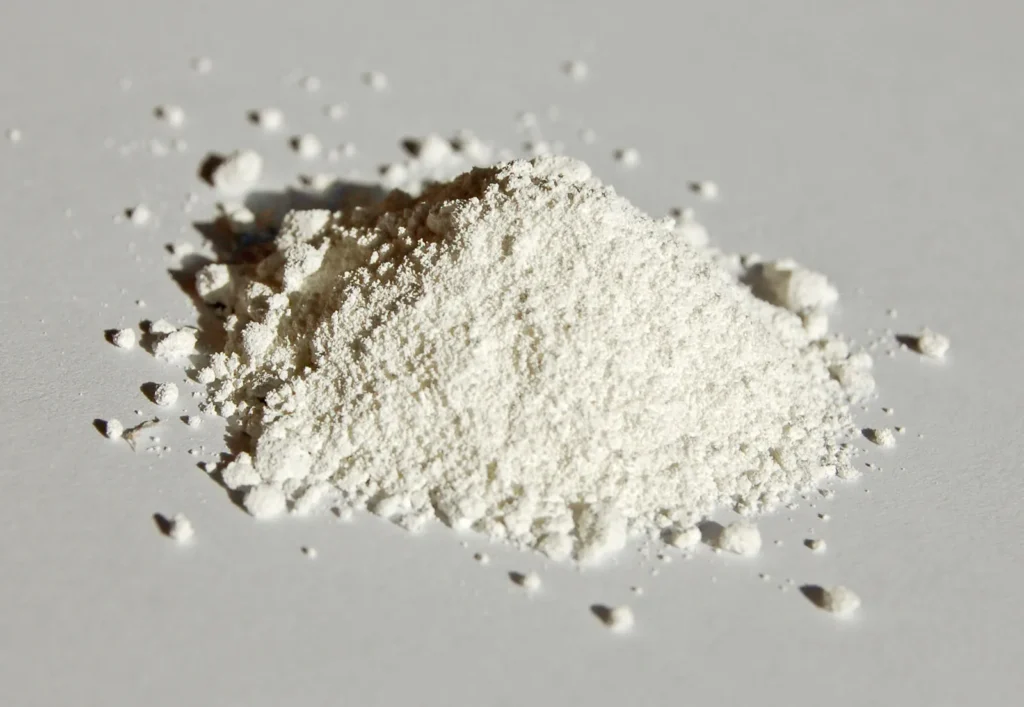 Anatase TiO₂
Titanium dioxide comes in two distinct types, each with its own advantages and limitations. When selecting white plastic masterbatch, it’s essential to consider your specific requirements comprehensively. If you have questions about choosing the right type of titanium dioxide masterbatch, feel free to contact us. We’ll provide you with a suitable solution.
Titanium Dioxide (TiO₂) Affects White Masterbatch
Titanium dioxide is the primary raw material in white plastic masterbatch. Its content, type, and dispersibility significantly influence the masterbatch’s appearance and performance. Let’s explore these factors below.
Titanium Dioxide Content
- Insufficient TiO₂ content may result in products appearing dull, excessively transparent, or lacking sufficient whiteness.
- Higher TiO₂ content enhances the visual appeal of plastic products, producing brighter, purer white surfaces. This is ideal for films, injection-molded parts, and high-end appliance housings.
- The brightness and opacity of the white master batch are primarily influenced by titanium dioxide—higher TiO₂ content yields whiter, brighter masterbatch with superior hiding power.
Titanium Dioxide Type
- Rutile TiO₂: Features a high refractive index and strong UV resistance, coupled with excellent yellowing resistance and long-term stability. Suitable for sun-exposed environments, commonly used in outdoor products, building materials, automotive components, and engineering plastics.
- Anatase TiO₂: Offers superior light scattering and dispersion properties, providing a soft whiteness. It is easy to process and helps prevent defects like color spots, flow marks, and uneven gloss during production. Suitable for flexible packaging applications such as blown film and coated films.
Titanium Dioxide Dispersibility
- Poor dispersion causes agglomeration, resulting in substandard masterbatch quality. This reduces gloss, causes haze, streaks, and bright spots in films, and leads to white spots or black specks in injection-molded parts. During extrusion, it may cause melt instability.
- Good dispersion ensures uniform TiO₂ distribution, reducing defects like black spots, color spots, and streaks while enhancing surface finish. It also improves melt flow, facilitating smoother extrusion, injection molding, and film blowing processes. This minimizes processing issues such as mold clogging, melt non-uniformity, and thickness variations.
Titanium Dioxide Purity and Processing
- Metal impurities in titanium dioxide cause heat sensitivity, leading to yellowing of the white color masterbatch during processing or long-term use. High-purity TiO₂ enhances heat resistance and color stability, maintaining the whiteness and gloss of plastic products over time. This makes it suitable for food packaging, appliance housings, and medical supplies.
- Titanium dioxide undergoes coating treatments with silicon, aluminum, zirconium, etc., to improve resin compatibility, enhance weather resistance, and reduce photocatalytic activity. Well-coated TiO₂ enables white masterbatch to maintain long-term color stability under outdoor exposure or high-temperature processing, resisting decomposition or yellowing.
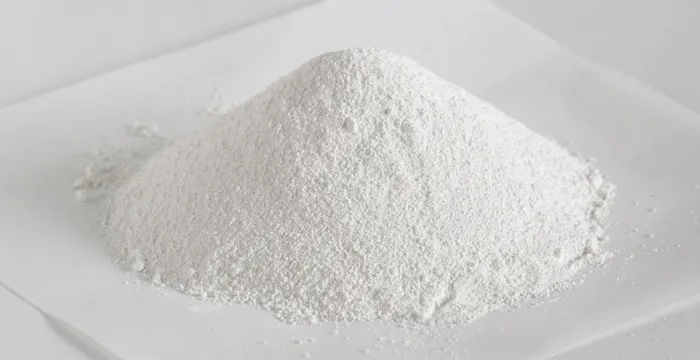 Titanium dioxide TiO₂
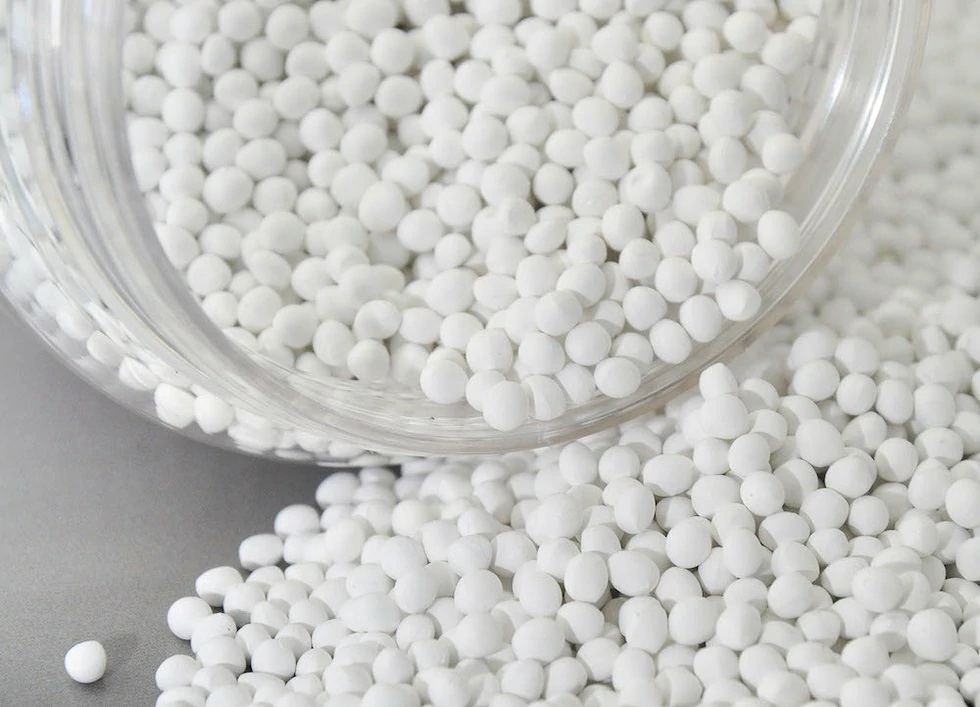 White Masterbatches
We understand that titanium dioxide influences white plastic masterbatch, ultimately affecting the appearance and performance of the final product. When selecting titanium dioxide masterbatch, it is crucial to understand its key parameters and choose a reputable supplier.
Choosing a Premium Titanium Dioxide Masterbatch Supplier
When selecting high-quality titanium dioxide white plastic masterbatch, focus not only on raw material quality but also on choosing an excellent China TiO₂ white masterbatch or high-standard export white colour masterbatch for sale supplier. Key considerations include:
Stable TiO₂ Supply Chain: Ensures continuous and consistent supply of titanium dioxide in various crystal forms, preventing batch quality variations or order delays caused by raw material fluctuations.
Advanced Compounding and Metering Systems: Enables efficient dispersion of titanium dioxide and precise formulation, delivering stable batch quality for white masterbatch.
Comprehensive testing system: Equipped with a professional laboratory capable of conducting thorough assessments of whiteness, hiding power, dispersibility, yellowing resistance, and other properties, ensuring consistent masterbatch performance under diverse operating conditions.
Relevant international certifications: Provides FDA, ROHS, REACH, and other certificates to meet export product standards, ensuring safety and compliance.
Custom formulation capability: Offers tailored formulation services based on customer requirements to address diverse needs and resolve challenges.
Selecting a high-quality titanium dioxide white master batch requires evaluating supplier capabilities and considering multiple factors to reduce costs, enhance product quality, and boost business competitiveness.
Conclusion
Through this article, we’ve explored titanium dioxide, its types, its impact on white masterbatch, and how to select a quality titanium dioxide masterbatch manufacturer. If you require premium titanium dioxide masterbatch, please contact us. Huashuo, a professional masterbatch producer, will provide you with the most suitable solution.